Get Retaining Wall Replacement
Retaining Wall Replacement services help property owners fix or upgrade damaged, unstable, or aging retaining walls often involved in landscape, hillside, or erosion control projects.
Property owners considering a retaining wall replacement often evaluate various practical factors, such as soil stability, landscape aesthetics, and property value. Whether addressing erosion issues, preparing for future landscaping projects, or ensuring safety on sloped terrain, replacing an aging or damaged retaining wall can be an important step in maintaining a property's integrity. Exploring local contractor options allows property owners to compare approaches and find professionals experienced in handling a range of retaining wall materials and styles.
For those planning a project, understanding the benefits of working with local service providers can help in making informed decisions. Local contractors bring familiarity with regional soil conditions and building codes, ensuring the work aligns with local standards. By researching and connecting with experienced professionals in the area, property owners can find the right expertise to support their retaining wall replacement needs.
- Retaining Wall Replacement - needed when existing walls are deteriorating or no longer supporting soil effectively.
- Retaining Wall Replacement - required after soil erosion causes instability or damage to current structures.
- Retaining Wall Replacement - necessary when upgrading to more durable materials or improving landscape aesthetics.
- Retaining Wall Replacement - essential following foundation shifts or settling that compromise wall integrity.
- Retaining Wall Replacement - advised when planning new landscaping projects that require sturdy soil retention solutions.
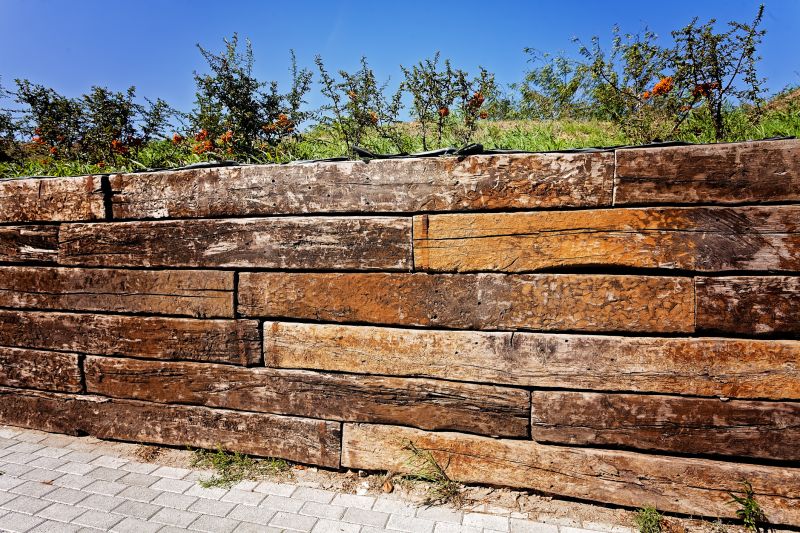
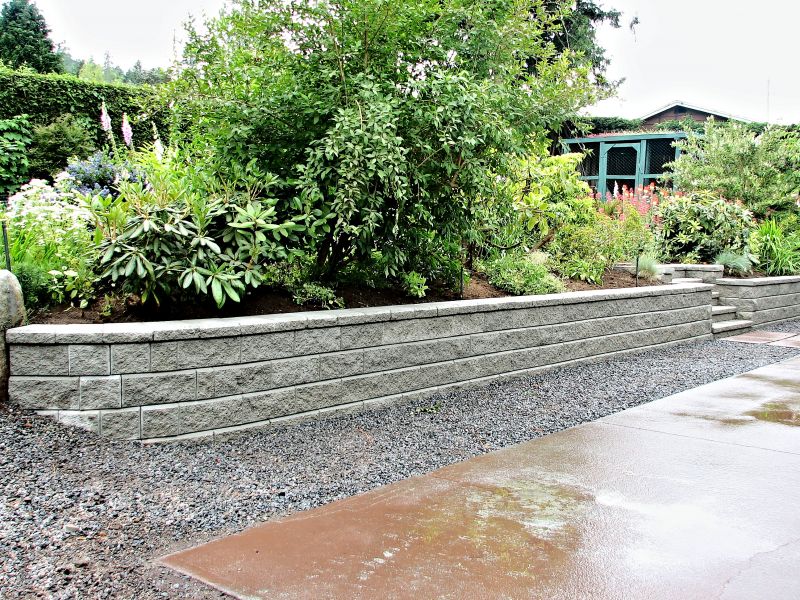
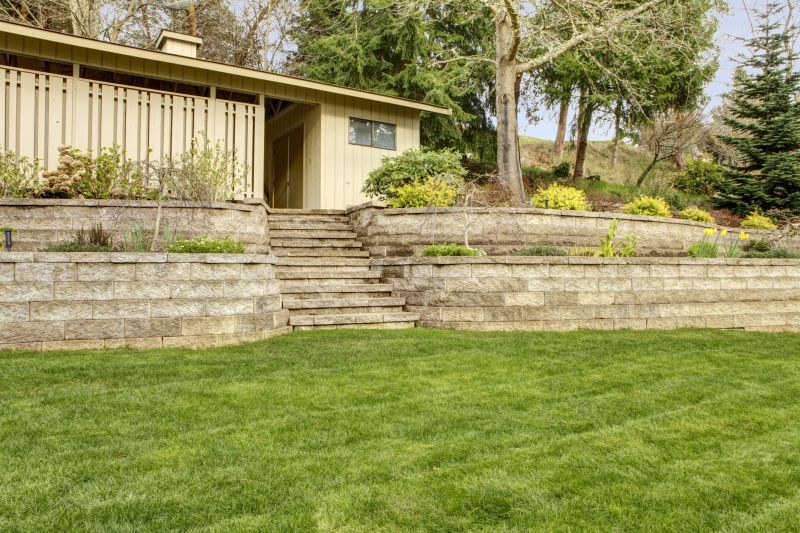
Retaining wall replacement services involve removing existing walls that have become damaged, unstable, or no longer serve their intended purpose, and installing new, durable walls in their place. This process typically includes assessing the condition of the current structure, excavating the area as needed, and constructing a sturdy wall using materials such as concrete, stone, or timber. Skilled service providers ensure that the new retaining wall is properly anchored and designed to withstand soil pressure, water flow, and other environmental factors that can compromise stability over time.
This service addresses a variety of common problems that homeowners may encounter with aging or failing retaining walls. These issues include wall bowing or leaning, cracking, or complete collapse, which can lead to soil erosion, property damage, or safety hazards. Retaining wall replacement also helps prevent water seepage and drainage problems that can undermine the structure’s integrity. By replacing an unstable wall, property owners can restore safety, improve landscape stability, and protect their investment from ongoing damage caused by shifting soil or heavy rainfall.
Retaining wall replacement is often needed on residential properties with sloped yards, gardens, or outdoor living spaces where soil retention is essential. It is also common on properties with terraced landscaping, hillside homes, or properties prone to erosion. These services are suitable for homeowners who notice signs of wall failure, such as leaning or cracking, or those planning landscape upgrades that require a more stable foundation. Whether for aesthetic improvements or structural safety, local contractors can help determine if a retaining wall replacement is the right solution for specific property needs.
Choosing to replace a retaining wall can be an important step in maintaining the safety and appearance of a property. When a wall shows signs of deterioration or has failed, it can pose risks to nearby structures, pathways, or outdoor features. Service providers experienced in retaining wall replacement can evaluate the condition of existing walls, recommend appropriate materials, and execute the work efficiently. Contacting local contractors ensures that homeowners receive tailored solutions designed to meet the unique requirements of their property, helping to preserve land stability and prevent future issues.
The overview below groups typical Retaining Wall Replacement projects into broad ranges so you can see how smaller, mid-sized, and larger jobs often compare in your area.
In many markets, a large share of routine jobs stays in the lower and middle ranges, while only a smaller percentage of projects moves into the highest bands when the work is more complex or site conditions are harder than average.
Smaller Repairs - typically range from $250-$600 for routine replacement of damaged or aging sections. Many projects in this category are straightforward and fall within the middle of this range. Fewer jobs reach the higher end, which usually involve additional materials or minor customization.
Partial Replacement - costs can vary from $1,000-$3,000 depending on the size and complexity of the section being replaced. Local contractors often see many projects within this range, especially for mid-sized retaining walls. Larger, more involved jobs tend to push beyond this range into higher tiers.
Full Replacement - larger projects that involve complete removal and rebuilding typically cost between $4,000 and $8,000. These tend to be less common but are necessary for extensive structural issues or major landscape redesigns. Costs can increase significantly for complex or custom designs.
Complex or Custom Projects - highly intricate or large-scale retaining wall replacements can exceed $10,000, especially with specialized materials or engineering requirements. While less frequent, these projects represent the upper end of typical costs for extensive landscaping or structural needs.
Actual totals will depend on details like access to the work area, the scope of the project, and the materials selected, so use these as general starting points rather than exact figures.
Landscape Construction - landscape construction projects often involve building structures like raised beds and terraces that require similar planning, tools, and excavation skills as retaining wall replacements.
Drainage System Installation - installing drainage systems involves understanding soil and water flow, which is essential for ensuring the stability and longevity of retaining walls.
Garden Wall Construction - constructing garden or decorative walls shares techniques such as masonry, footing preparation, and material selection with retaining wall replacement services.
Foundation Repair - foundation repair projects require excavation, soil analysis, and structural reinforcement, paralleling the skills used in replacing or repairing retaining walls.
Paver Patio Installation - laying paver patios involves site preparation, leveling, and precise placement, similar to the planning and execution of retaining wall projects.
Soil Stabilization Services - soil stabilization involves techniques to improve soil strength and prevent erosion, which supports the effectiveness of retaining wall systems.
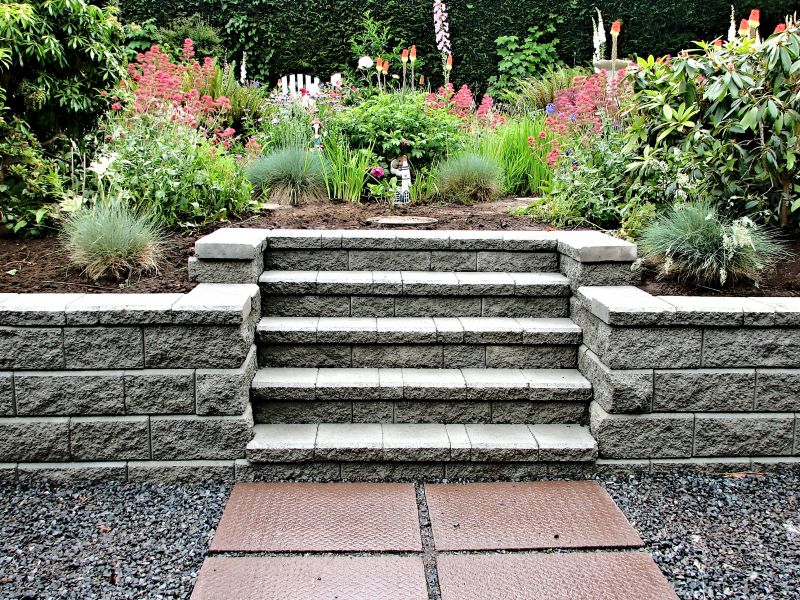
When comparing service providers for retaining wall replacement, it’s important to consider their experience with similar projects. Homeowners should inquire about how many retaining walls they have installed that match the scope and complexity of the job at hand. A contractor’s familiarity with different types of retaining walls, soil conditions, and landscape integration can impact the quality and durability of the finished project. Reviewing the work history or portfolio of local contractors can provide insight into their expertise and help determine if their experience aligns with the homeowner’s specific needs.
Clear, written expectations are essential when evaluating potential contractors. Homeowners should seek detailed proposals that outline the scope of work, materials to be used, and any other relevant project specifics. Having this information in writing helps prevent misunderstandings and ensures everyone is on the same page from the start. It’s also beneficial to ask service providers how they communicate throughout the project, including updates and addressing questions, to gauge their professionalism and commitment to transparency.
Reputable references and good communication are key factors in choosing the right local pros for retaining wall replacement. Homeowners can ask contractors for references from past clients with similar projects to gain insights into their reliability and workmanship. Additionally, establishing open lines of communication early on can help ensure that questions are answered promptly and concerns are addressed throughout the process. This approach helps build confidence in the contractor’s ability to deliver a satisfactory result and provides peace of mind during the project.
Property owners use Retaining Wall Replacement services for practical projects around their homes and businesses. This guide focuses on everyday jobs and straightforward project options.
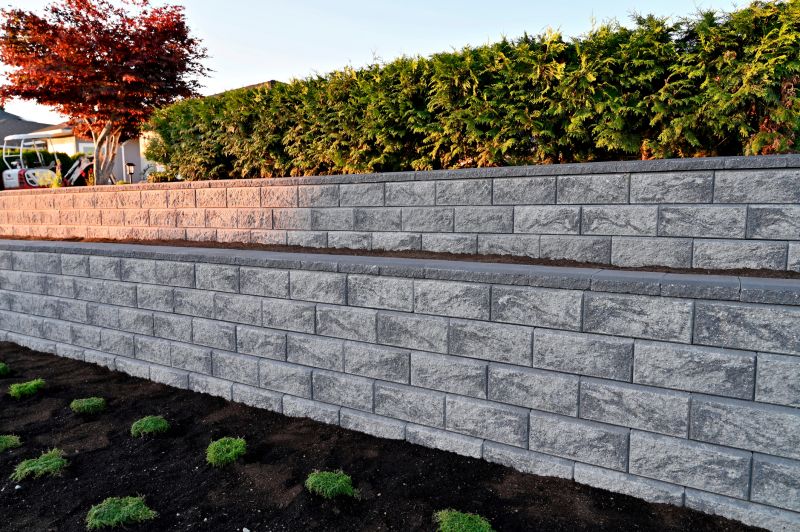
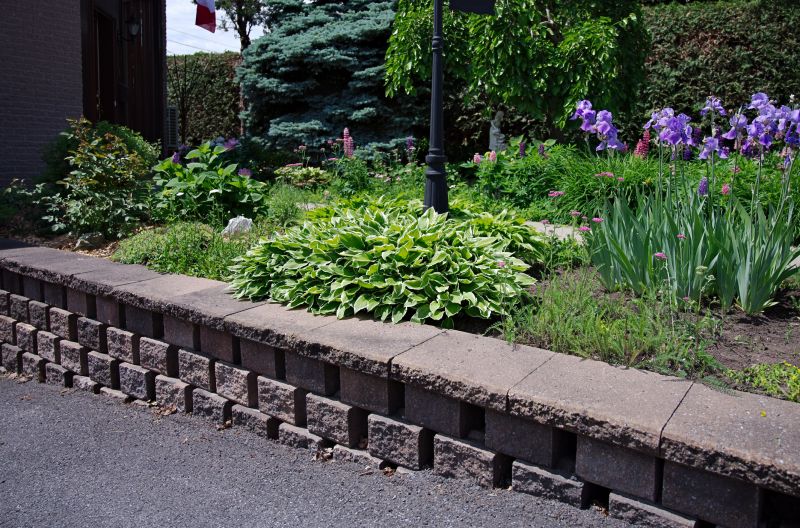
Retaining wall replacement services are often needed when existing walls have become damaged or unstable due to natural wear, shifting soil, or weather-related issues. Property owners may notice cracks, leaning, or bulging in their current walls, which can compromise the safety and appearance of their landscape or property boundaries. Local contractors are experienced in assessing these situations and providing options to restore stability and improve the overall look of outdoor spaces.
In addition, property owners might seek retaining wall replacements when planning landscape upgrades or property improvements that require better support for terraces, gardens, or driveways. Over time, aging walls can lose their effectiveness, leading to water drainage problems or soil erosion. Service providers in the area can help evaluate existing structures and recommend suitable solutions to ensure long-lasting support and enhanced curb appeal.
What are the signs that a retaining wall needs replacement? Indicators include leaning, cracking, bulging, or significant deterioration of the existing wall, which can compromise stability and safety.
How do I know if a retaining wall is suitable for replacement? A professional assessment can determine if the current wall is beyond repair and if replacement is the best option based on its condition and your landscape needs.
What materials are commonly used for retaining wall replacement? Common materials include concrete blocks, natural stone, poured concrete, and timber, chosen based on durability, aesthetics, and site requirements.
What factors should be considered when replacing a retaining wall? Factors include soil type, drainage needs, wall height, load-bearing requirements, and the overall landscape design.
How can I find local contractors to handle retaining wall replacement? Contacting a service provider can connect you with experienced local contractors who specialize in retaining wall replacement services in your area.
Garden Bed Support - Retaining walls can help create defined garden beds and prevent soil erosion around planting areas.
Terrace or Patio Construction - Installing a retaining wall allows for level outdoor spaces on sloped terrain, making patios more functional.
Property Boundary Definition - Retaining walls can serve as clear boundaries between different sections of a yard or property line.
Erosion Control Solutions - Local contractors can install retaining walls to stabilize slopes and protect the landscape from runoff damage.
If you are thinking about Retaining Wall Replacement for a property, this guide is meant to help you understand the work, the typical project types, and how different options might fit your plans.
When you are ready, you can use the quote form on this page to share a few details about your project. From there, local pros can review the basics and respond with options that match what you have in mind.